
More than 20 Chinese television dramas premiered during the summer of 2026, but approximately 90% failed to make a significant impression on audiences. This widespread Chinese dramas summer 2026 slump has left networks, producers, and fans questioning the future of long-form television.
Chinese media outlet 163 recently published a roundup analyzing the performance of television dramas that debuted during the summer 2026 season. Summer is traditionally considered a prime release window for television networks, as millions of young viewers are on school break. However, as the vacation period draws to a close, television networks are facing an unprecedented Chinese drama slump.
One industry insider commented: “The market has deteriorated to the point where even poorly produced dramas no longer face major backlash. Audiences simply do not care about the shows or the actors’ performances anymore. This is a true disaster for the industry.”
Inside the 2026 C-Drama Slump
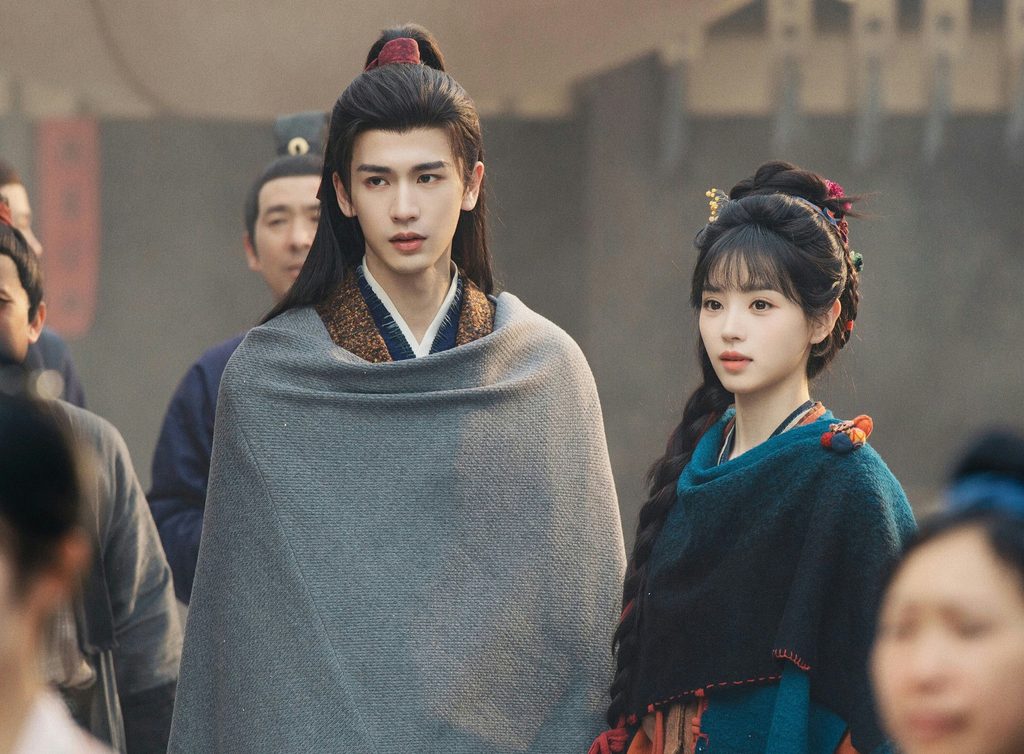
Among the 20-plus dramas that aired, only Mystic Nine (starring William Chan, Joseph Zeng, and Chen Yao) reportedly achieved a viewership share exceeding 34%, making it the sole release to cross the 30% threshold all summer. This major drop highlights the severity of the summer 2026 C-drama slump, particularly given that several heavily promoted post-1995 stars released major projects during this prime window.
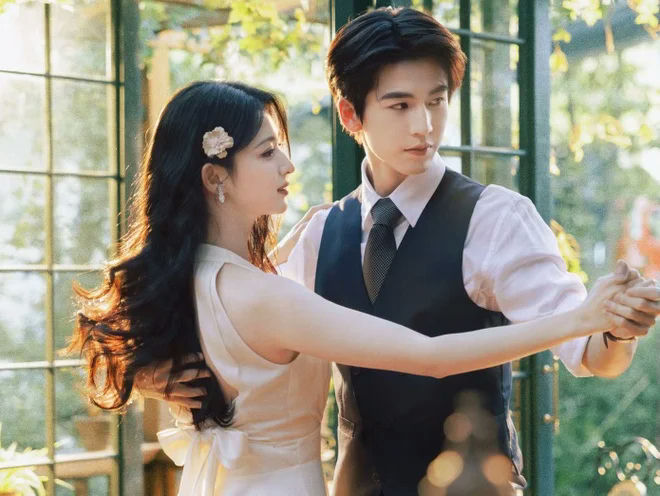
Prominent stars including Zhang Linghe, Tian Xiwei, Yu Shuxin, Wang Churan, Wu Jinyan, Ding Yuxi, and Ao Ruipeng all headlined new releases, yet their viewership shares remained below 20%. Zhang Linghe and Tian Xiwei had previously made a massive impression earlier in 2026 with Pursuit of Jade, which averaged 88 million views per episode and ranked as the highest-performing drama in three years. However, Zhang Linghe’s follow-up project, Overdo, reportedly gathered just over 17 million views per episode—a key casualty of this Chinese drama market decline.
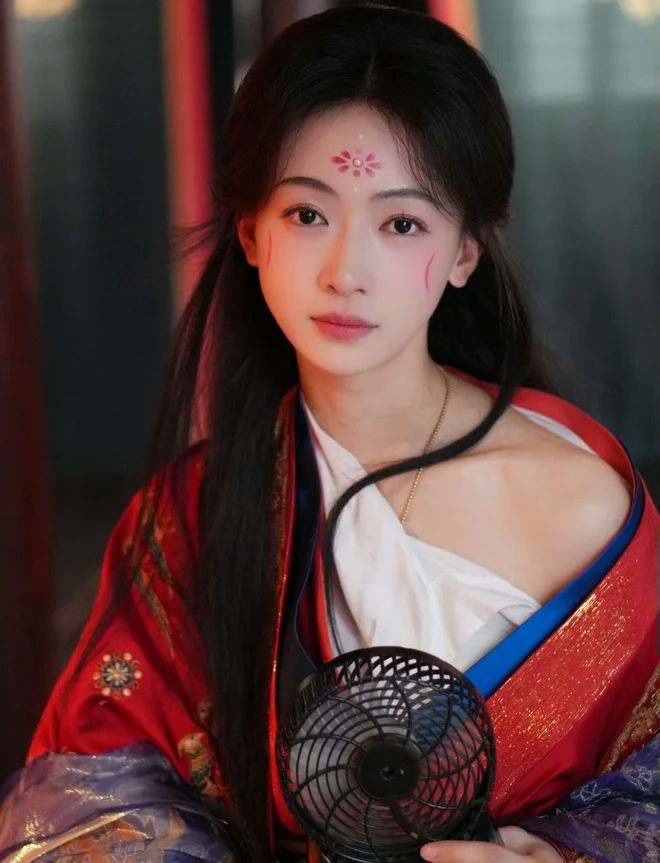
According to 163, this decline proves that even the most popular celebrities currently lack the star power to rescue long-form television from the Chinese dramas summer 2026 slump.
At the same time, poor reception and low viewership during this 2026 C-drama crisis have caused investors and advertisers to lose confidence. The media outlet highlighted Blossoms of Power as a key example. Starring Meng Ziyi and He Yu, the series was highly anticipated due to its source novel and famous leads. It initially performed well, securing more than 20 commercial spots across its first five episodes. However, after just one week on air, critical reception plummeted, prompting brands to withdraw their sponsorships and leaving the production with minimal ad revenue.
Formulaic Scripts Fuel the Summer 2026 Chinese Drama Slump

163 noted that historical costume dramas have long served as a flagship genre for Chinese television. However, even costume titles could not escape the Chinese dramas summer 2026 slump. Critics point to formulaic character arcs, repetitive romantic tropes, and unoriginal plotlines as primary reasons audiences are turning away.
Several high-profile projects faced severe backlash regarding production quality:
- The Legend of Rosy Clouds (starring Li Yitong and Joseph Zeng) received a low rating of just 3.8 points on Douban.
- Ashes to Crown was criticized for an illogical script and juvenile political conspiracies.
- The Road to Splendor, Pull Strings, Key to the Phoenix Heart, and Royal Betrothal also failed to deliver notable ratings.
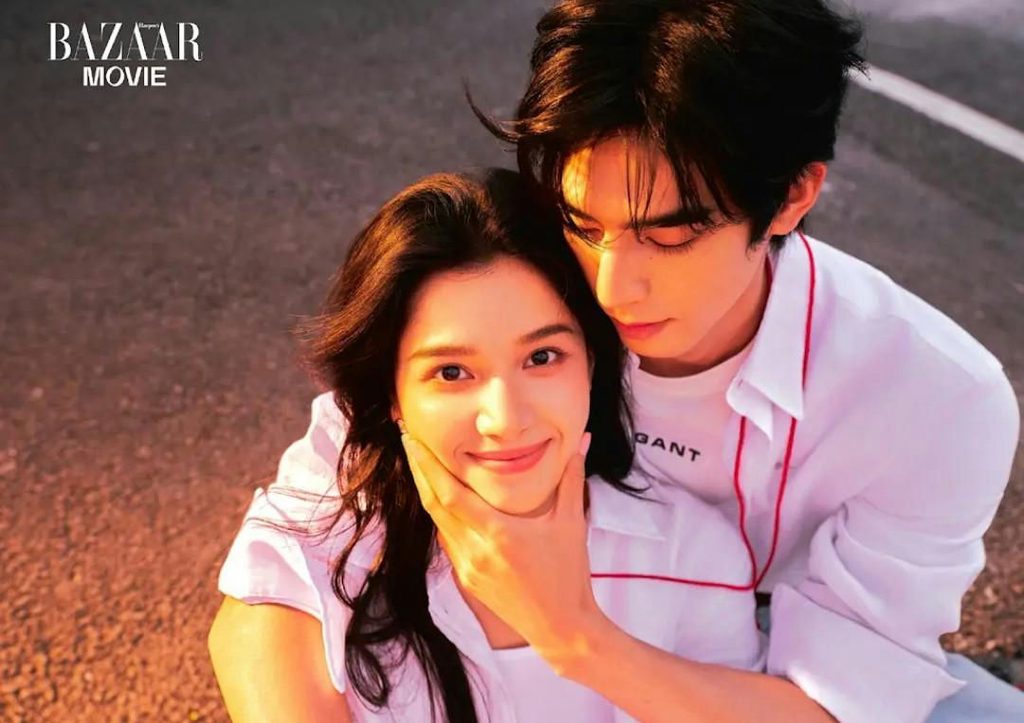
The modern Chinese drama slump was equally pronounced. Romance titles such as Genius Girlfriend, Overdo, Never-Ending Summer, and Her Fated Boy suffered disappointing viewership, with many struggling to reach even 10 million views per episode.
According to 163, the root cause of the Chinese dramas summer 2026 slump is reliance on tired visual and narrative tropes—such as arranged marriages, bickering couples, and cold-surfaced male leads. Modern viewers find the lack of realism and illogical narrative gaps increasingly frustrating.
Industry Downturn: Actors Struggle Amid the C-Drama Crisis
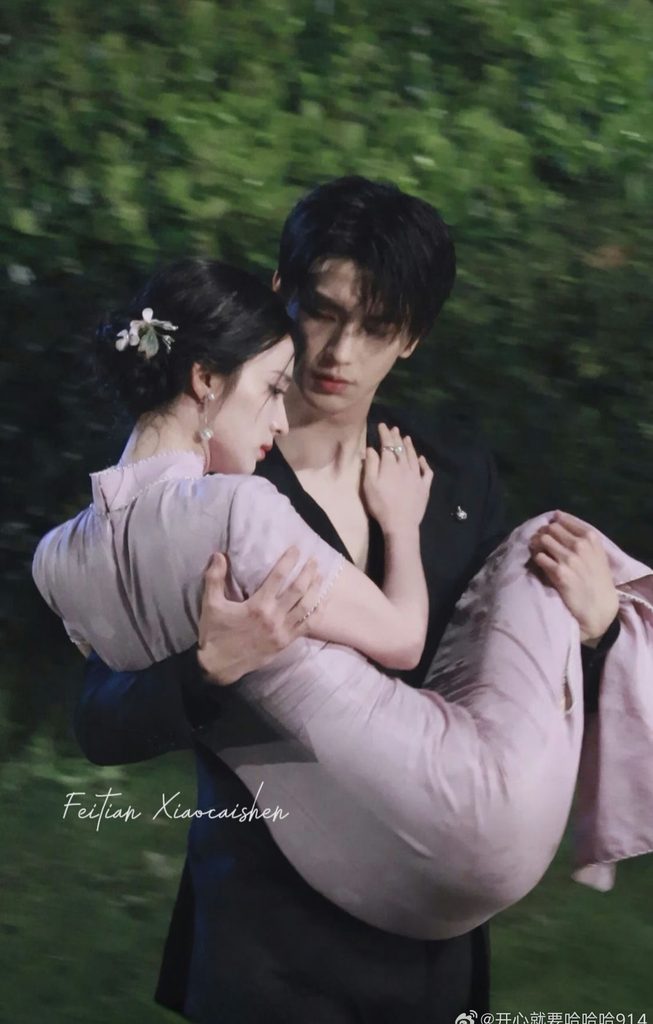
Audiences have long criticized television dramas for acting as “fast-food” commercial products—heavily engineered to generate quick engagement. The cascading effects of the Chinese dramas summer 2026 slump are severe: revenue across the film and television sectors is declining, investors are pulling out, and fewer projects are entering production.
Even established, award-winning performers are feeling the impact of this Chinese entertainment slump:
- Liu Yifei reportedly went three years without starting a new project.
- Wang Yibo unexpectedly paused filming for 800 days, despite receiving major accolades such as Golden Rooster and Hundred Flowers Award nominations.
- Zhao Liying experienced a 15-month gap without working on a drama set.
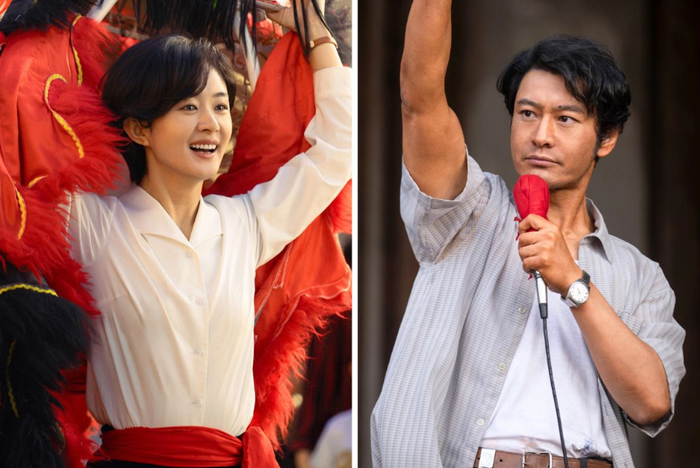
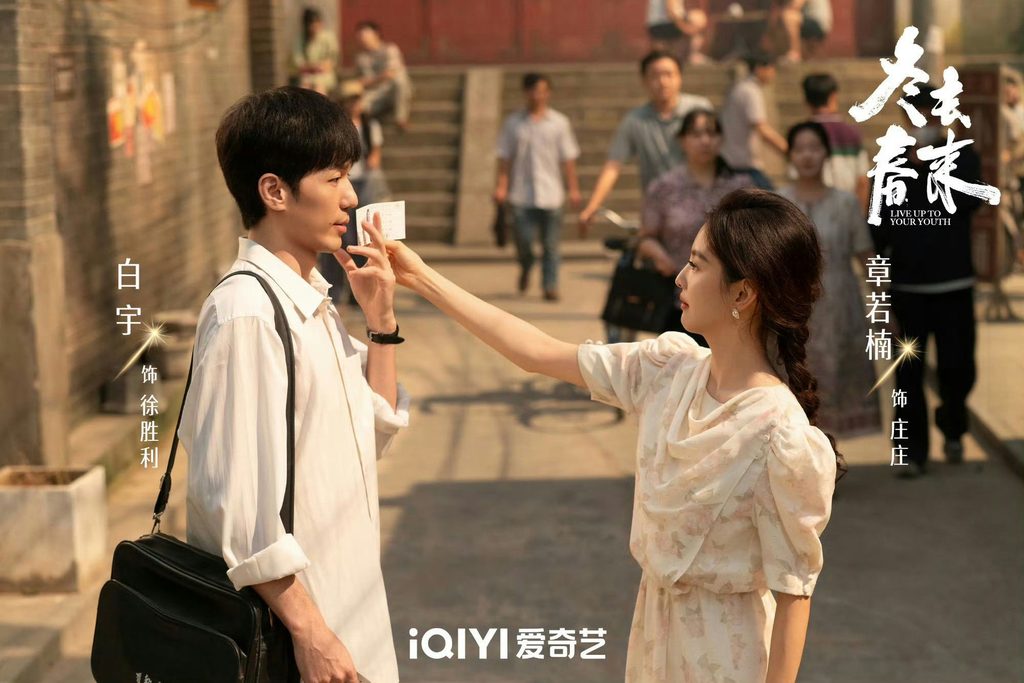
A recent industry statistic tracking production gaps among Chinese celebrities shocked fans: nearly 60 well-known actors have gone over 100 days without starting a new filming project. This list includes Deng Wei, Luo Yunxi, Bai Lu, Bai Yu, Wu Xuanyi, Jiang Yiyi, Jing Tian, Wang Junkai, Hu Yitian, Li Gengxi, and Ren Jialun.
Even actor Dong Zijian—son of prominent talent manager Wang Jinghua—publicly asked for acting roles at a recent awards ceremony due to the shrinking market.
AI Short Dramas Worsen the Chinese Drama Market Decline
As the long-form market suffers through the Chinese dramas summer 2026 slump, live-action short dramas are already facing heavy competition from AI-generated short-form media, leaving many actors unemployed.
Veteran talent manager Yang Tianzhen estimated that the percentage of film and television projects entering production in 2026 will reach only about 30% of 2025 levels. As investor funding dries up, the industry must pivot away from repetitive formulas if it hopes to recover from the 2026 C-drama slump.