
Waterbomb is celebrated every summer as one of South Korea’s hottest music festivals. Recently, however, it has increasingly transformed into a massive content platform designed primarily to generate online virality.
Even before performances conclude, short-form videos such as Shorts and Reels flood social media platforms, accompanied by recurring headlines highlighting “unprecedented sensation” and “level of exposure.”
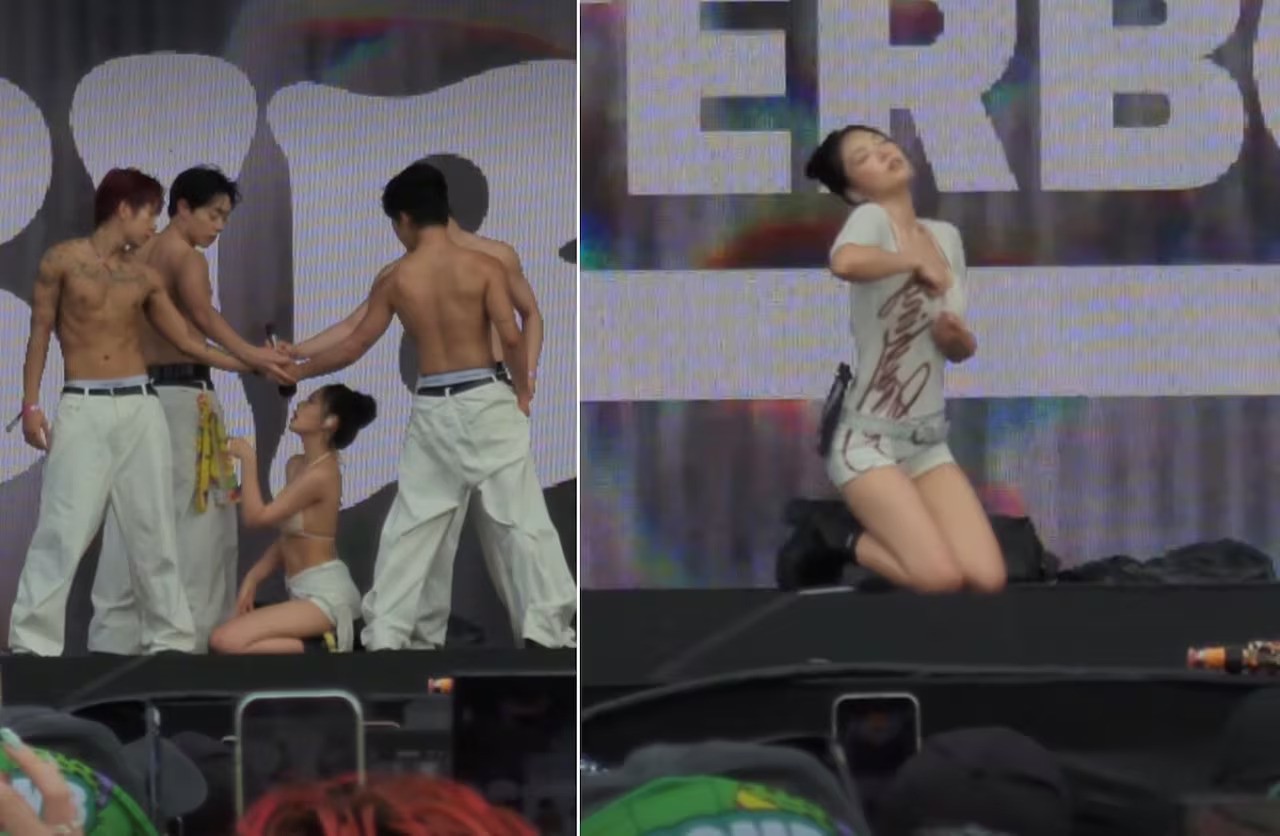
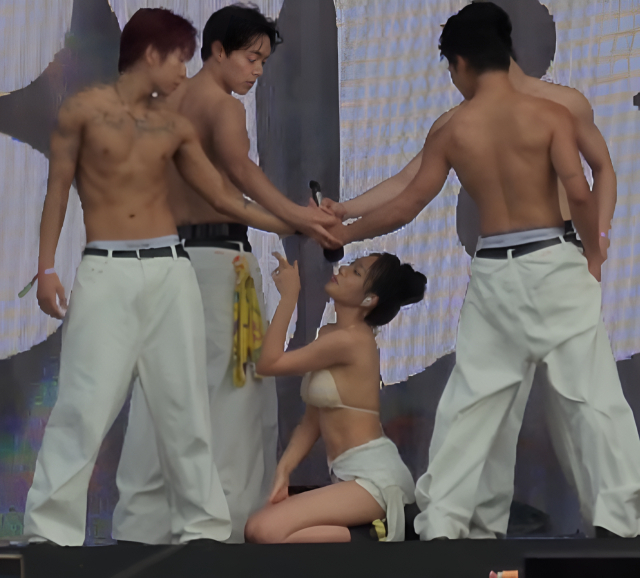
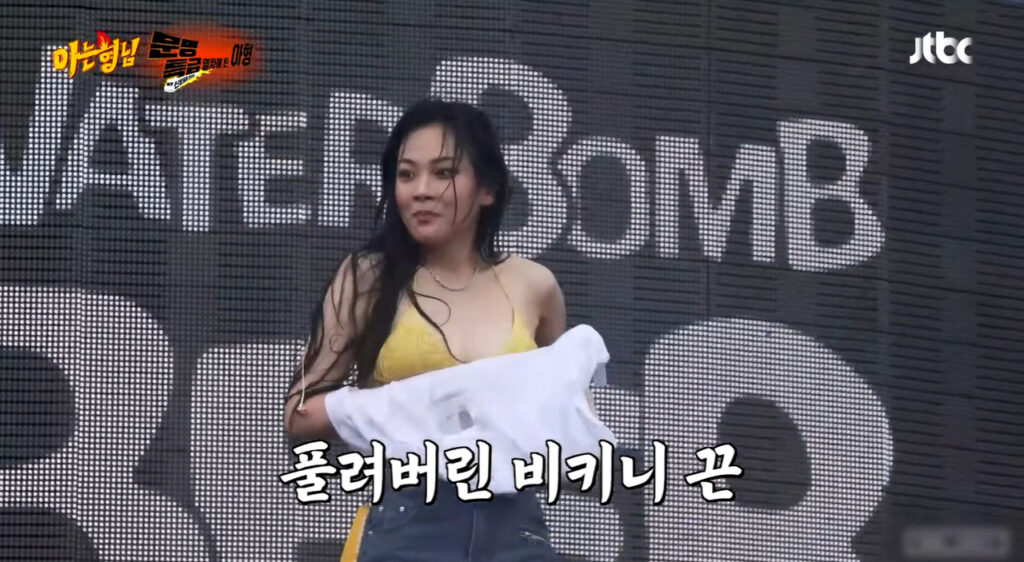
This year, singer BIBI found herself at the center of a heated debate after removing her top to reveal a bikini underneath during her stage performance. Yet, can this be viewed merely as an individual artist’s choice? Instead, it is time to consider whether the ‘Waterbomb’ stage itself is evolving into a structure that directly or indirectly demands ever-stronger virality each year.
Prioritizing ‘Short-Form Clips’ Over the Live Show: ‘Waterbomb’ as a Virality Factory
‘Waterbomb’ originally began as a summer festival combining water fights and live music. The core concept—where audiences in swimwear and artists enjoy performances while getting soaked together—has defined the festival’s identity since its inception. Therefore, revealing outfits and an open, carefree atmosphere are not inherently unusual.
However, the way audiences consume ‘Waterbomb’ has fundamentally shifted. In the past, the experience was largely confined to attendees at the venue. Today, SNS platforms are saturated with Shorts and Reels even before the event wraps up. The most provocative and intense moments are continuously clipped and redistributed, quickly translating into millions of views.
In this environment, artists face growing pressure not just to deliver a great live show, but to engineer “viral moments.” BIBI, who generated the biggest buzz at this year’s festival, did not suddenly change her persona. Wearing layered bikini tops or delivering bold performances has long been part of her stage style. However, incorporating 19+ suggestive moves raised both controversy and virality, placing her performance under public scrutiny.
Pop culture critic Ha Jae-keun analyzed this phenomenon, stating: “At ‘Waterbomb,’ wearing swimwear-like exposed outfits comes naturally. Artists receive enthusiastic responses on-site, which then translates into massive traction on short-form video platforms, boosting their stardom. However, as exposure becomes a tool to drive virality, competition has naturally intensified.”
Ultimately, ‘Waterbomb’ has morphed into both a live music venue and a “viral content production site.” Live music takes a backseat, while a few seconds of video online come to represent the entire festival performance.
How Far Will the Pursuit of Stronger, More Provocative Performances Go?
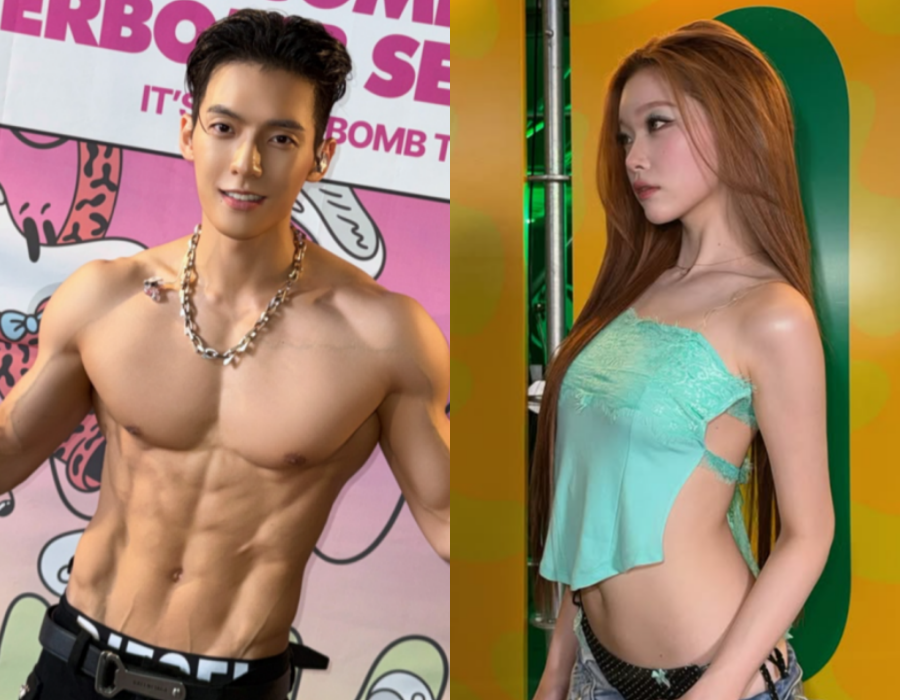
Stage performances—encompassing costumes, choreography, and staging—are meant to express an artist’s creative identity. The underlying issue is that recent performances are increasingly used to generate instant online buzz rather than complement the music.
Year after year, various artists make headlines for their Waterbomb appearances, triggering a recurring online race to find “this year’s most provocative stage.”
Faced with this dynamic, artists are inevitably forced to brainstorm “stronger” performances. An invisible pressure emerges to create moments more memorable than last year’s set or those of fellow performers.
This trend is not limited to female artists. Male performers similarly aim for viral moments through shirtless stages, dramatic water effects, and intimate audience-interaction bits. The core competition is no longer about exposure alone, but about capturing maximum attention.
Is ‘Waterbomb’ Facing a Branding Failure?
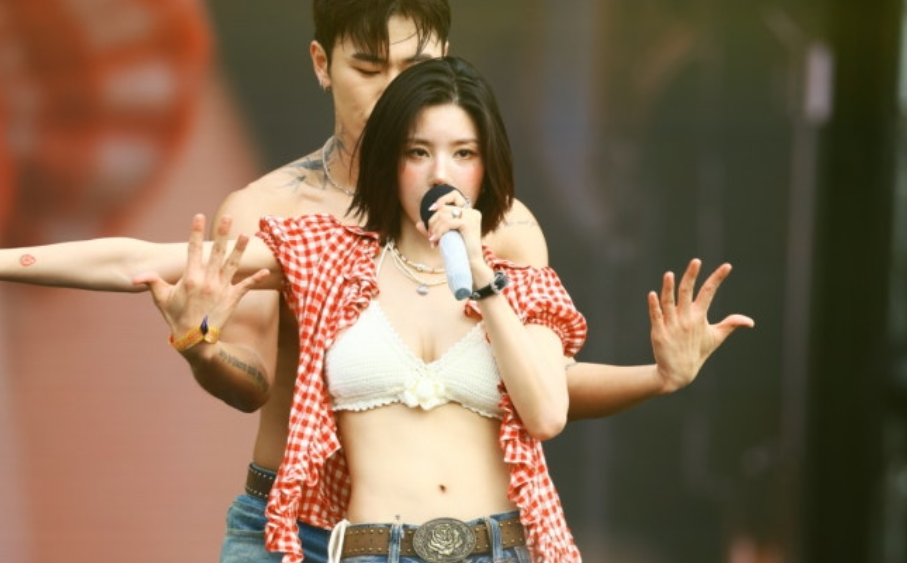
‘Waterbomb’ is undeniably a successful brand. Ticket sales sell out rapidly every year, and performing artists dominate search engines and social media feeds immediately after their sets. It has established itself as Korea’s signature summer festival and is currently expanding its brand internationally.
However, as a massive brand, it now faces challenges that require deeper reflection. While 19+ performances may be suitable for adult audiences present at the physical venue, the context changes completely once published online. Through Shorts and Reels, these uncensored clips reach an unrestricted public audience, including minors.
Pop culture critic Ha Jae-keun noted, “‘Waterbomb’ is already firmly established as a major summer event, so it is likely to continue its run regardless of specific musical content. However, because it is fundamentally a music festival and not just a simple summer event, there is a clear need to strengthen its musical substance.”
He added, “Even if an adult event runs smoothly on-site without issue, the moment clips are uploaded as short-form videos to the internet, they are viewed by an unrestricted audience, including minors. Performances that cause public discomfort or controversy need to be moderated.”
The recent controversy surrounding BIBI serves as a key indicator of where ‘Waterbomb’ must head next. Whether it will remain a festival chasing a few viral seconds on short-form platforms or evolve into a premier summer music festival that balances virality with musical integrity is a strategic decision the organizers must now seriously address.