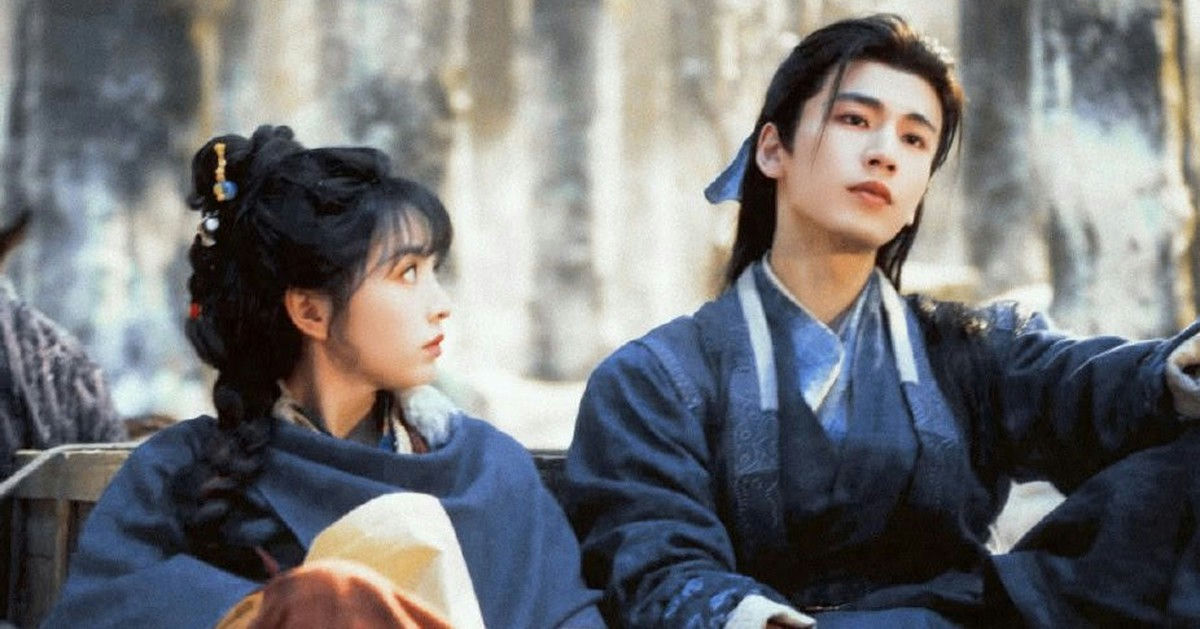

Among the many Chinese television dramas released in 2026, only five have so far received Weibo’s official “blockbuster hit” certification. The term refers to dramas that generate massive popularity and widespread influence. To qualify for the list, a drama must meet all three criteria: more than 30 million meaningful interactions on Weibo, at least 600 appearances across the platform’s two hot search charts, and a popularity index exceeding 100 million for at least three days.
Here is the full list recently announced by Weibo.
1. Pursuit of Jade (70.18 million interactions – 1,876 hot searches – 10 days with a popularity index exceeding 100 million)
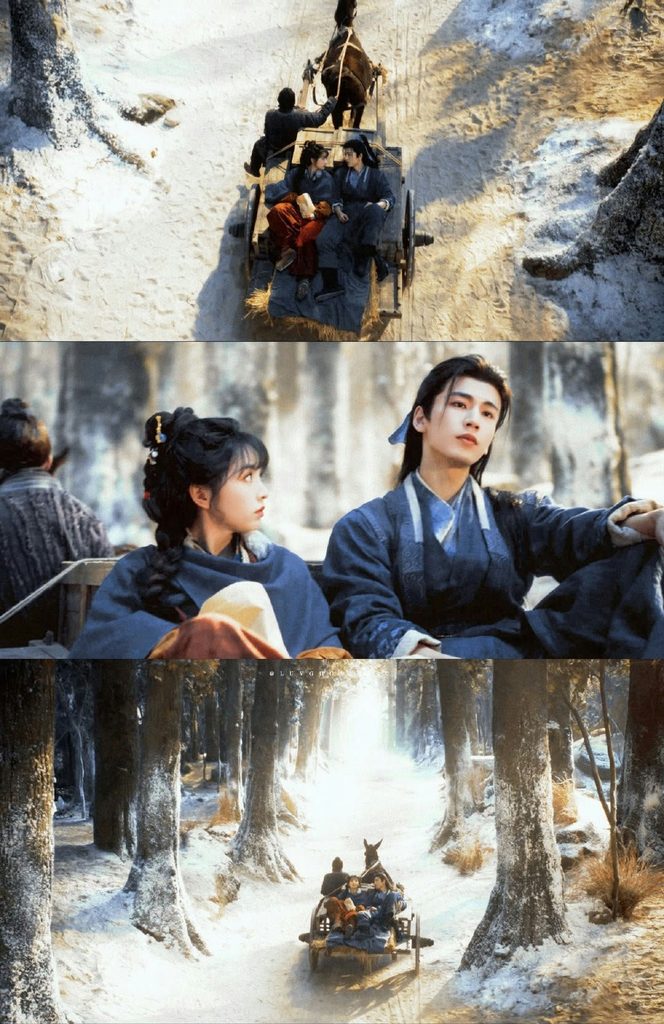
Taking the top spot is Pursuit of Jade, a historical romance drama starring Zhang Linghe and Tian Xiwei. The story revolves around Fan Changyu, a young woman who works as a butcher, and Xie Zheng, a fallen marquis forced to conceal his true identity. What begins as an arranged marriage gradually develops into genuine love, before the couple becomes caught up in political turmoil and war.
The drama’s No. 1 ranking is hardly surprising. From the moment it premiered, it generated considerable buzz and consistently became a major topic of discussion on social media. Although it faced quite a few controversies over its storytelling quality, particularly criticism of Zhang Linghe’s heavily makeup-covered general character, there is no denying the show’s enormous reach and popularity.
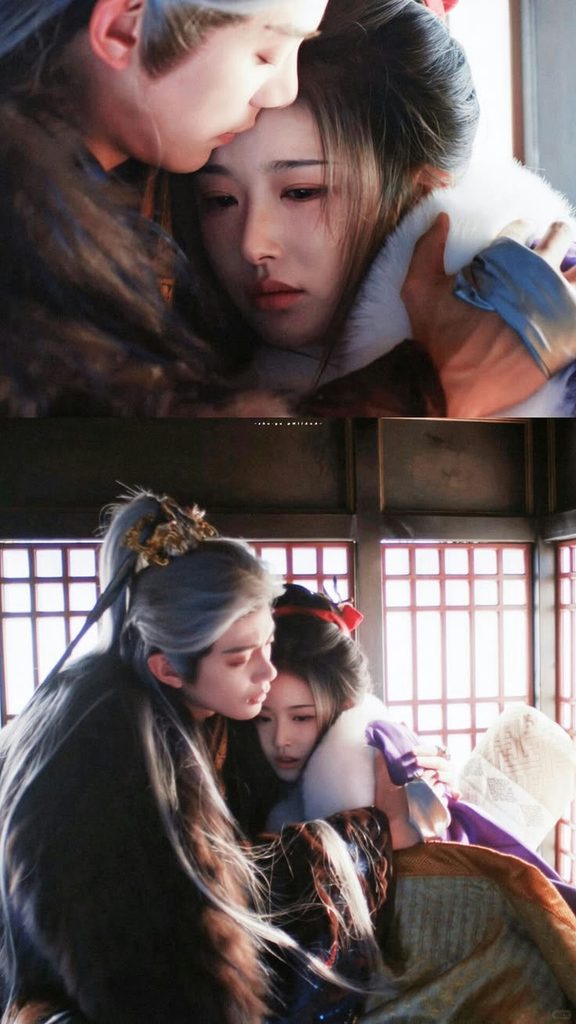
Beyond the chemistry between leads Zhang Linghe and Tian Xiwei, the romance between supporting actors Kong Xueer and Deng Kai also won over viewers. The pair even received their own fan-given couple name, “Bu Qi Er Yu.” Thanks to the success of Pursuit of Jade, both actors experienced a significant boost in popularity.
Another undeniable strength of Pursuit of Jade is its striking visual style, crafted under the direction of Zeng Qingjie. From lighting and camera angles to color grading and shot composition, every detail was carefully considered, resulting in numerous picture-perfect scenes. Zeng also knows how to highlight the actors’ appearances and create emotionally powerful moments that easily go viral on social media. Following the success of Blossom and now Pursuit of Jade, Zeng Qingjie has once again demonstrated why he is regarded as one of the most visually distinctive directors working in Chinese historical romance dramas today.
2. Small Town Remedy (44.69 million interactions – 719 hot searches – 3 days with a popularity index exceeding 100 million)
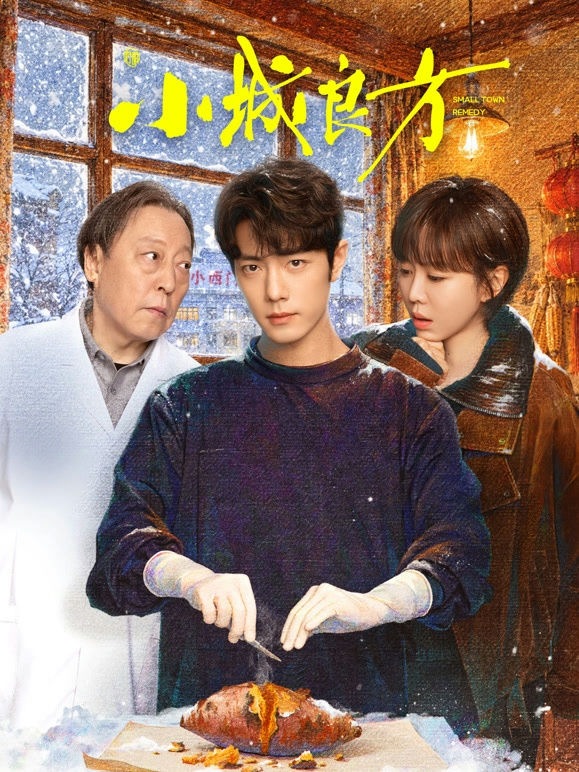
In second place is Small Town Remedy, a realistic medical drama marking Xiao Zhan’s return to television. He plays Liu Zhengliang, a talented doctor whose career takes an unexpected turn, forcing him to return to his hometown and start over at a lower-level medical facility.
Unlike medical dramas that typically focus on complicated surgeries at major hospitals, Small Town Remedy explores the daily lives of medical workers in a small town in northeastern China. Stories about treating patients, working with limited resources, and dealing with situations that are both humorous and touching give the series its distinctive appeal.
The drama premiered on October 21 and quickly accumulated 44.69 million meaningful interactions and 719 hot search appearances. Notably, Chinese media reported that it became the fastest drama in history to receive Weibo’s blockbuster certification at the time of the announcement. It has also consistently topped the platform’s television drama popularity rankings.
What makes this achievement even more remarkable is that Small Town Remedy is still airing and is scheduled to conclude on November 4. This means the figures above are not yet final. Given its current popularity and Xiao Zhan’s massive fan base, the drama still has an opportunity to improve its performance and strengthen its position among the biggest hits of 2026.
3. The Early Spring (38.20 million interactions – 1,323 hot searches – 3 days with a popularity index exceeding 100 million)
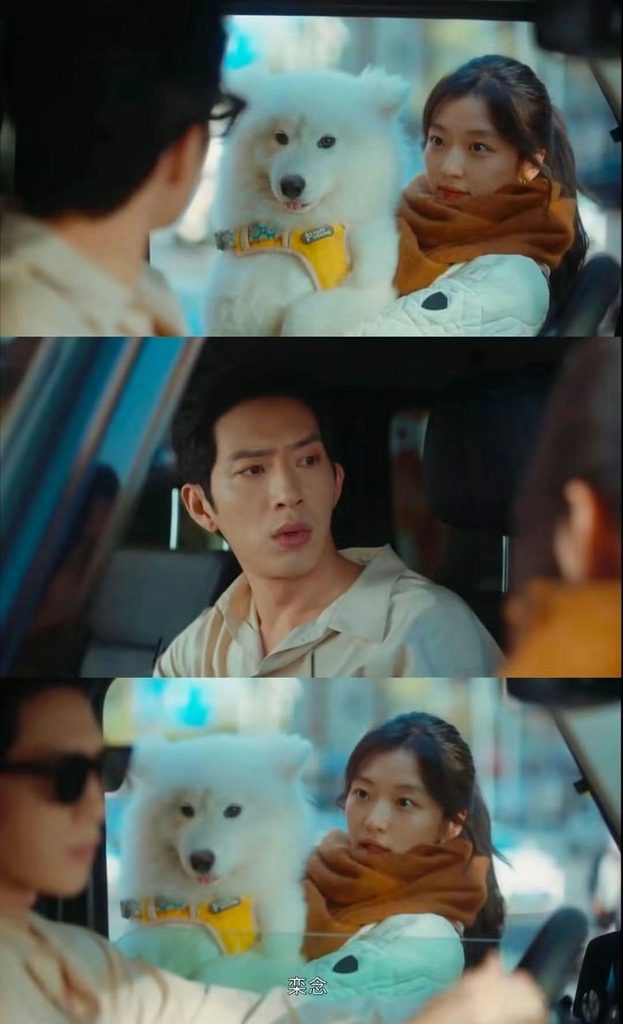
Third place goes to The Early Spring, an urban romance starring Jing Boran and Sun Qian. The drama caused a sensation in late August and early September. It tells the story of the sweet yet complicated romance between Luan Nian, a talented but sharp-tongued creative director, and Shang Zhi Tao, an ordinary young woman who moves to Beijing in search of career opportunities.
Starting out as a boss and subordinate, the two gradually become attracted to each other and embark on a secret relationship that lasts for years. However, differences in personality, misunderstandings, and the pressures of everyday life eventually drive them apart. Despite their separation, they never truly forget each other. When they meet again, they rekindle their romance and eventually get married.
Among the Chinese dramas released in 2026, The Early Spring can arguably be considered one of the most successful in attracting viewers. The key to its success lies in the explosive chemistry between Jing Boran and Sun Qian, particularly Jing Boran’s impressive performance as the male lead.
With his masculine appearance, mature aura, and natural, nuanced acting, Jing Boran successfully brings Luan Nian to life as a man who is arrogant and difficult to approach, yet also sweet and gentle. This combination creates an irresistible appeal for both the female lead and the audience.
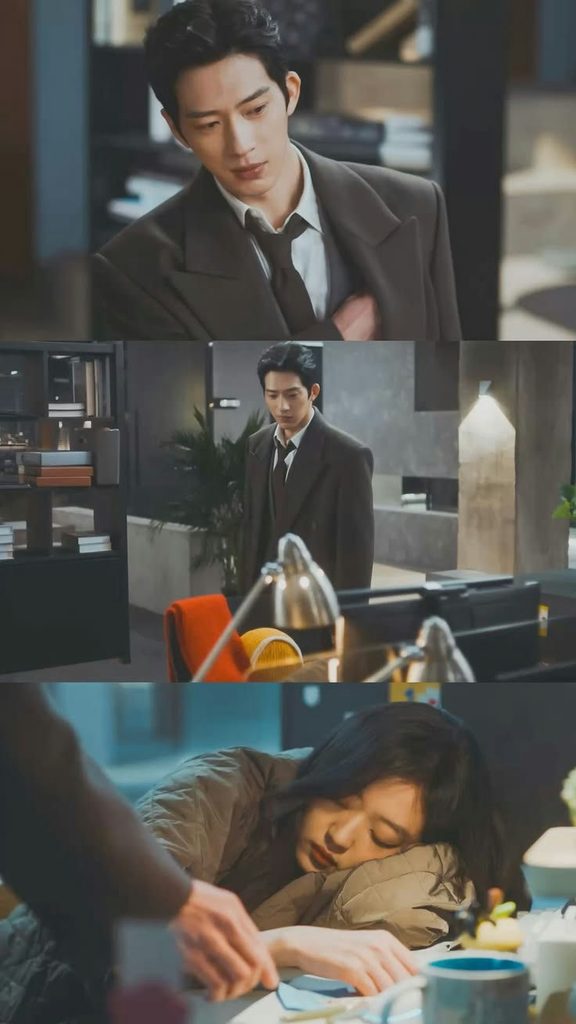
Some viewers have even joked that Jing Boran has restored the reputation of Chinese drama CEOs. For years, the wealthy CEO archetype in Chinese romance dramas has often been criticized as unconvincing and less compelling than similar characters in Korean dramas.
The series has also made a strong impression internationally, not just in China. It once climbed to second place on Netflix’s global non-English TV show rankings, while the Instagram follower counts of both lead actors saw significant growth. Nevertheless, The Early Spring has not escaped controversy over its storyline. Some viewers believe the drama romanticizes the unequal power dynamic between the main couple, while certain workplace scenes have also been criticized for being unrealistic.
4. Against the Current (33.92 million interactions – 1,634 hot searches – 3 days with a popularity index exceeding 100 million)
In fourth place is Against the Current, a historical drama starring Tan Songyun and Liu Xueyi. The story follows Shen Jialan, a young woman who once enjoyed a privileged life but suddenly falls into hardship after her family is wiped out.
Having once lived as a noblewoman, she is forced to assume the identity of Xu Lanxiang and adapt to life among the poor, even working as a maid. However, she gradually overcomes her circumstances. Along her journey to seek justice for her family, she also finds true love with her husband, Lin Jinqi.
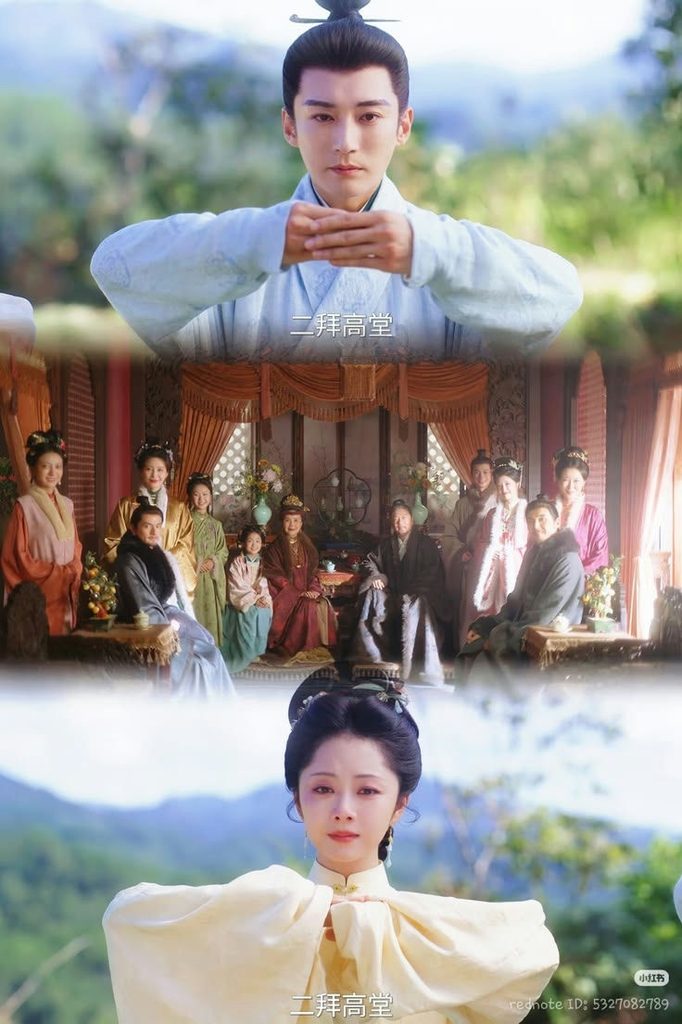
Against the Current has received considerable praise for its visual aesthetics, from costumes and sets to lighting and frame composition. The drama captures the traditional beauty of China through its elegant gardens, refined costumes, and understated color palette, creating a polished, cinematic atmosphere.
Its family-intrigue storyline is another strong point, exploring schemes, power struggles, and complicated relationships among aristocratic families. Although the series has faced some criticism over its occasionally slow pacing, didactic dialogue, and changes to certain plot points and characterizations from the original source material, it remains one of the historical dramas worth watching in 2026, thanks to its overall production quality, performances, and carefully crafted period atmosphere.
5. The Lead (32.41 million interactions – 687 hot searches – 3 days with a popularity index exceeding 100 million)
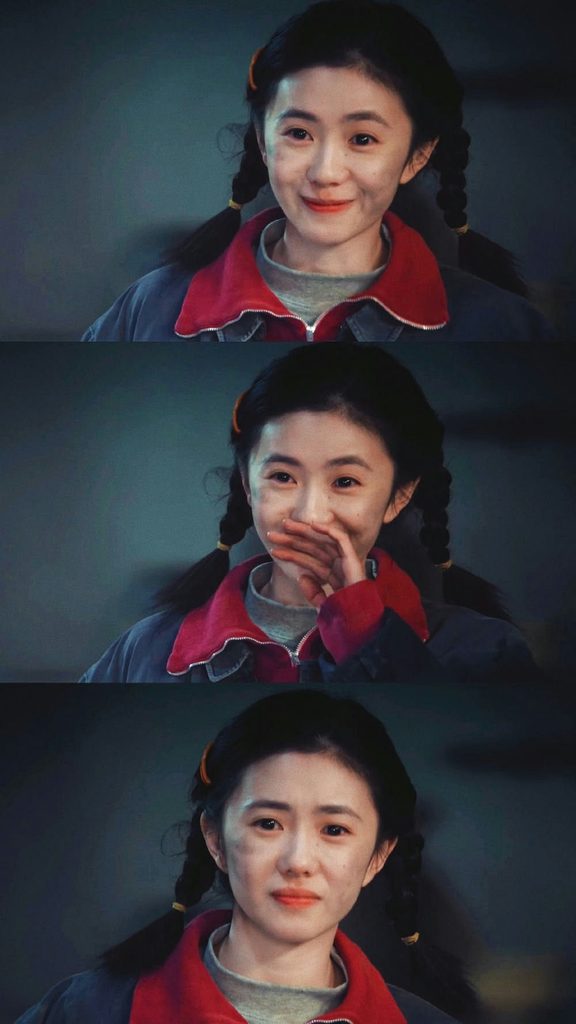
Rounding out the list is The Lead, a drama centered on traditional performing arts. The cast includes Liu Haocun, Zhang Jiayi, Qin Hailu, and Dou Xiao, alongside numerous other acclaimed actors. The series is adapted from the award-winning novel of the same name by Mao Dun Literature Prize-winning author Chen Yan, with Zhang Yimou serving as supervising producer.
The drama tells the life story of Yi Qin’e, a girl from a poor family who gradually rises from her humble beginnings as a shepherd and years of grueling apprenticeship to become a celebrated performer of Qinqiang opera. Through the female protagonist’s decades-long journey, the series portrays major changes in Chinese society and the efforts to preserve and develop this traditional form of theater.
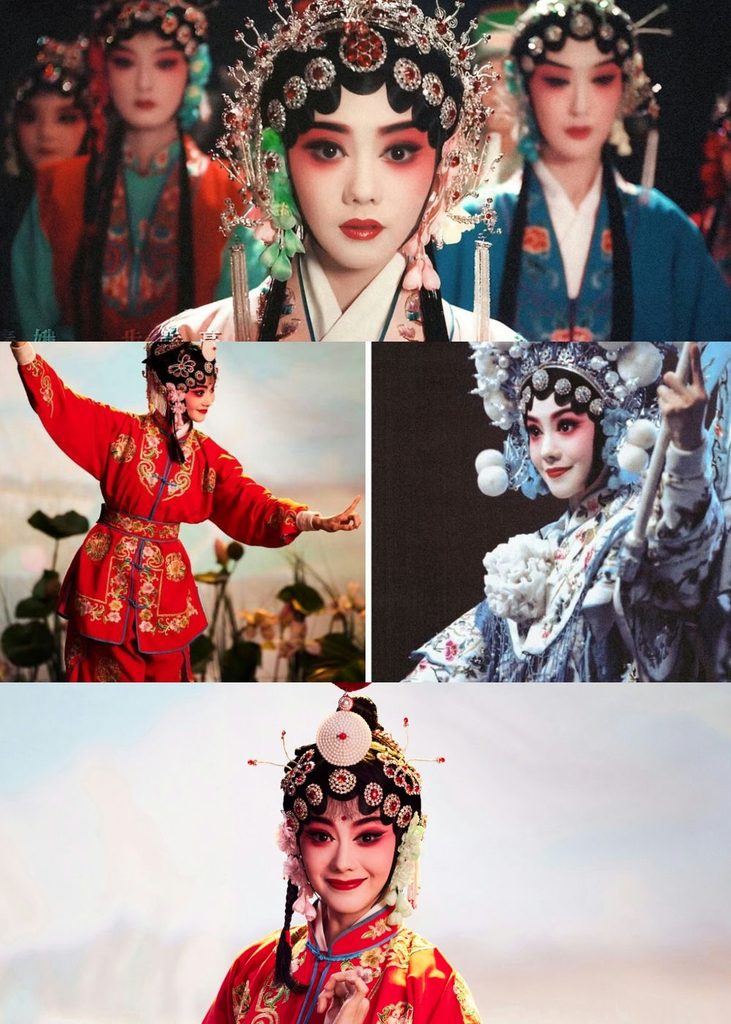
The inclusion of The Lead on this list is perhaps the biggest surprise, as it does not appear to be a drama specifically targeting younger audiences. In theory, traditional arts dramas like this are more likely to appeal to mature, middle-aged, and older viewers. These audiences are generally less inclined to participate in online discussions, create trending topics, or generate the same level of social media engagement as younger viewers. The fact that The Lead managed to earn Weibo’s blockbuster certification ahead of numerous idol dramas demonstrates that a truly high-quality production can break generational barriers and win over audiences from different age groups.
The success of The Lead goes far beyond social media attention. The drama achieved an average rating of 4.210% and a peak rating of 4.615%, making it the highest-rated television series broadcast in 2026. It also ranks as the second-highest-rated drama since 2018, surpassed only by Six Sisters.
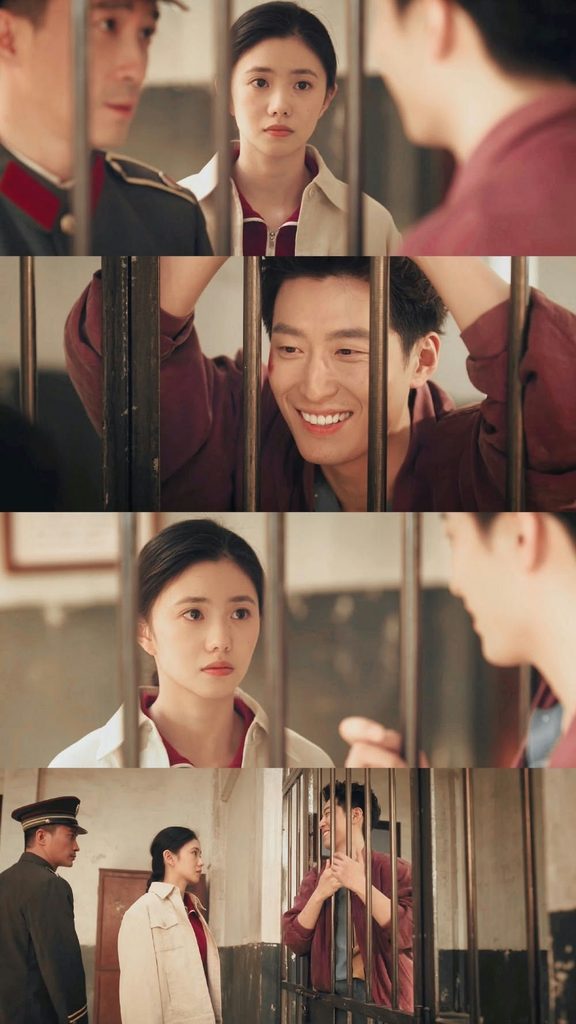
In terms of artistic quality, The Lead could be considered the strongest production on this list, and even one of the finest television dramas of 2026. While the four other series mentioned above all have certain storytelling limitations despite their success, The Lead appears to have almost no significant weaknesses.
From its richly layered script and complex character development to the convincing performances of its cast, every element has been carefully executed. In particular, the drama does not rely on implausible twists or forced conflicts to keep viewers hooked. Instead, it draws audiences in with an emotionally rich and realistic story that reflects the spirit of its era.